
The Intelligent Home: Energy-Saving Smart Devices That Lower Your Monthly Utility Bills

The Intelligent Home: Energy-Saving Smart Devices That Lower Your Monthly Utility Bills

For many, the concept of a “smart home” conjures images of voice-activated lights or automated coffee makers. While these features provide convenience, they miss the most compelling reason to invest in smart technology: resource management.

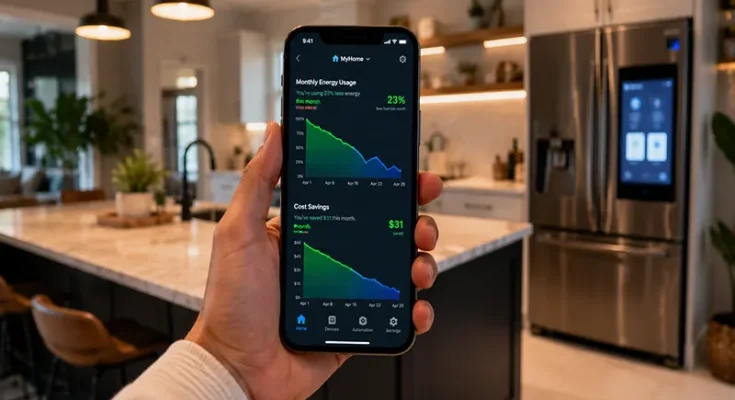
Your home is an ecosystem of energy consumption, and in most cases, it is operating on autopilot—running systems when you aren’t home, keeping rooms illuminated unnecessarily, and bleeding power through standby devices. By transitioning to an intelligent home, you shift from passive consumption to proactive management. The devices listed below are not just gadgets; they are high-yield investments designed to cut your monthly utility bills by turning waste into efficiency.

The “Big Three” Energy-Drainers

To save money, you must identify where your utility bills go. In the typical household, three areas account for the vast majority of energy spending:

  1. HVAC (Heating, Ventilation, and Air Conditioning): Often 50% or more of your total energy bill.
  2. Lighting:
The Intelligent Home: Energy-Saving Smart Devices That Lower Your Monthly Utility Bills Read More
The Green ROI: Eco-Friendly Reusable Products That Pay for Themselves (And Shrink Your Waste)

The Green ROI: Eco-Friendly Reusable Products That Pay for Themselves (And Shrink Your Waste)

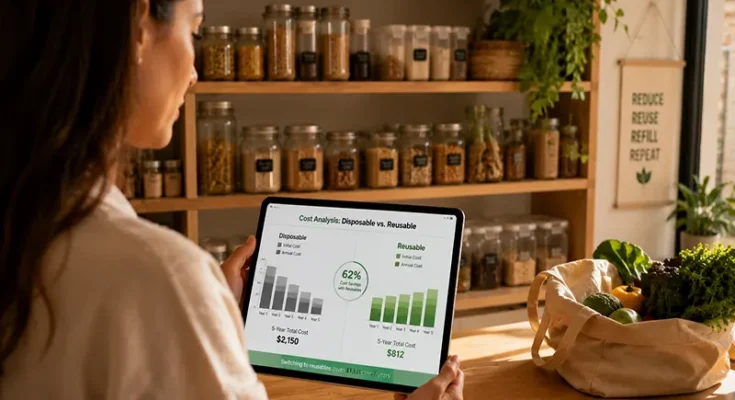
There is a persistent myth that living sustainably is a luxury—a lifestyle reserved for those with the budget to pay a “green premium.” In reality, the opposite is often true. Much of our modern waste is the result of a “disposable economy” where we pay for the same convenience over and over again, thousands of times a year.

True sustainability is often rooted in personal finance. When you move from a disposable model to a reusable one, you aren’t just reducing your environmental footprint; you are making a high-yield investment. The goal is to reach your “Break-Even Point”—the moment a reusable product has saved enough money to cover its initial cost, after which every use puts money back into your pocket.

The High-ROI Hall of Fame

To maximize your returns, focus on products that replace high-frequency, “single-use” purchases. Here are the swaps that offer the most significant financial return.…

The Green ROI: Eco-Friendly Reusable Products That Pay for Themselves (And Shrink Your Waste) Read More
Maximize Your Savings: The Best Automated Price Tracking Apps and Browser Extensions for Online Shopping

Maximize Your Savings: The Best Automated Price Tracking Apps and Browser Extensions for Online Shopping

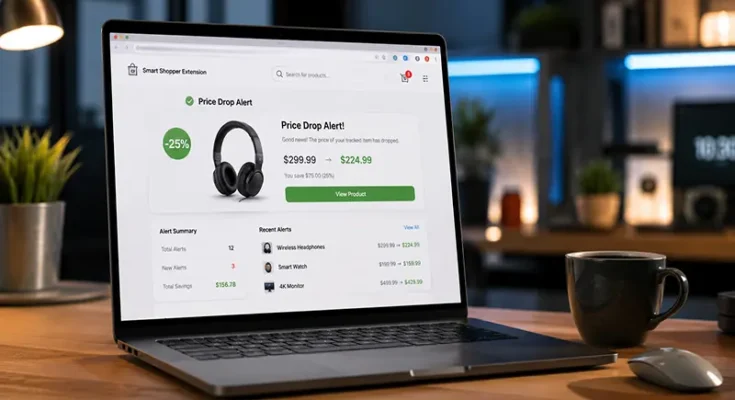
In the era of dynamic pricing, the cost of an item online can change multiple times a day based on consumer demand, your geographic location, and even your browsing history. For the modern shopper, these fluctuations can make it nearly impossible to know if you are actually getting a good deal. To counter this, automated price tracking tools have become the ultimate weapon in the consumer’s arsenal, transforming the shopping experience from a reactive chore into a proactive, data-driven strategy.

The Mechanics of Price Tracking

At their core, these tools utilize web scraping to monitor specific product pages across various e-commerce retailers. They archive the price changes over weeks, months, or even years. By visualizing this data in historical price charts, these tools reveal the “true” value of an item, allowing you to identify if a current “sale” is legitimate or merely an artificial discount following an intentional price hike.…

Maximize Your Savings: The Best Automated Price Tracking Apps and Browser Extensions for Online Shopping Read More
The Investment Mindset: Durable Everyday Products That Will Save You Money in the Long Run

The Investment Mindset: Durable Everyday Products That Will Save You Money in the Long Run

In a world driven by “fast consumption,” we are conditioned to believe that lower upfront costs equate to better financial decisions. We buy plastic kitchen tools, particleboard furniture, and disposable electronics, only to replace them within a few years. This cycle is a “false economy.” A $20 item that must be replaced annually is significantly more expensive than a $100 item that lasts for a decade. By shifting our perspective to cost-per-use, we can break the cycle of disposable consumption and build a life around items that pay for themselves through sheer longevity.

The Material Science of Durability

To stop wasting money on low-quality goods, you must learn to identify the physical characteristics of durability. When shopping, prioritize these “Green Flags”:

  • Metals: Cast iron, stainless steel, and brass are the gold standards. They withstand heat, impact, and wear.
  • Textiles: Look for natural, high-density fibers like full-grain leather, heavy-weight wool,
The Investment Mindset: Durable Everyday Products That Will Save You Money in the Long Run Read More
Smart Swaps: Best Generic Brand Products That Are Just as Good as Name Brands

Smart Swaps: Best Generic Brand Products That Are Just as Good as Name Brands

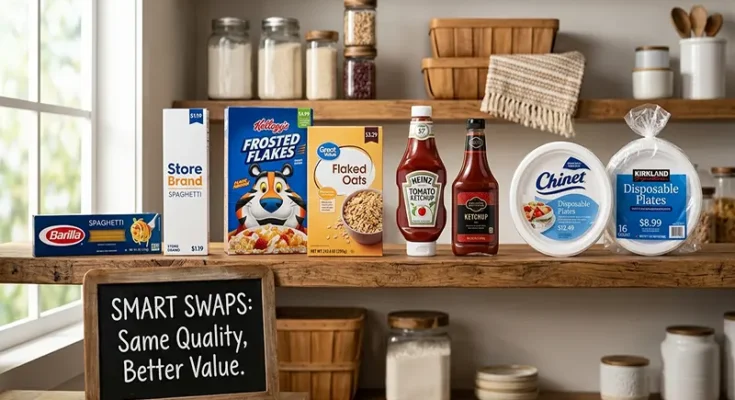
In today’s economic climate, the old stigma surrounding “generic” or store-brand products is rapidly vanishing. For decades, consumers believed that a lower price tag automatically signaled inferior quality. However, the retail landscape has shifted dramatically. Today, private-label products are often manufactured in the same facilities—sometimes even on the same production lines—as their high-priced name-brand counterparts.

For the value-conscious shopper, moving toward store brands is not a sacrifice; it is a financial upgrade. By understanding which items consistently deliver the same quality as national brands, you can significantly reduce your household expenses without lowering your standard of living.

The “Why” Behind the Savings

It is a common misconception that name-brand products cost more because they use “premium” ingredients. In reality, a significant portion of the markup on name-brand items covers massive national advertising campaigns, celebrity endorsements, and complex distribution legacy costs.

When you purchase a store brand, you are paying for …

Smart Swaps: Best Generic Brand Products That Are Just as Good as Name Brands Read More