

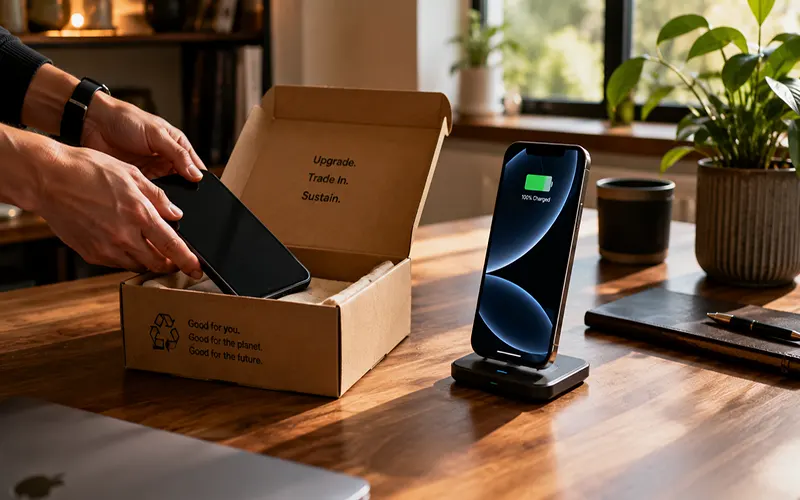
For decades, the standard retail model was linear: you bought a product, used it until it broke or became obsolete, and then threw it away. This “buy-use-trash” cycle is not only environmentally unsustainable, but it is also a significant drain on your personal finances.
Today, we are witnessing the rise of Circular Commerce—a sophisticated model where products are designed for longevity, repair, and resale. For the savvy consumer, this isn’t just an environmental initiative; it is a powerful financial strategy. By treating your existing belongings as “assets” rather than “expendables,” you can turn your old gear into a consistent line of credit for your next upgrade.
The Anatomy of a Trade-In: Understanding Residual Value
A trade-in is not a favor you are doing for a brand; it is a financial transaction where you are liquidating an asset you own. To maximize this, you must first understand the two types of value:
- Marketplace Value: The price you could get selling an item yourself on platforms like eBay, Poshmark, or Facebook Marketplace. This often nets you the highest cash return but requires significant effort in photography, listing, shipping, and customer interaction.
- Convenience/Loyalty Value: The credit offered by an official brand buy-back program (e.g., Apple Trade In, Patagonia Worn Wear, or Best Buy’s trade-in model). While the dollar amount might be slightly lower than a private sale, the “convenience value”—instant credit, guaranteed transaction, and zero shipping hassle—often outweighs the difference.
The Strategy: Use official trade-in programs for high-friction items (like electronics or bulky gear) and private marketplaces for high-value collectibles or fashion items where brand-specific trade-in credit is not available.
Strategies for Maximum Yield
To extract the most value from your trade-ins, you must treat your inventory with the same rigor a business treats its capital assets.
1. Timing the Trade
Brands often inflate trade-in values during major product launches to entice you to upgrade. If you have an older device or gear, wait for the release cycle of the newer model. Trade-in bonuses during these “launch windows” can sometimes be 20–30% higher than at other times of the year.
2. The Tiered Reward Stack
Don’t settle for the base trade-in offer. Smart consumers look for “Stacking Opportunities”:
- Trade-In Credit: The base value of your item.
- Loyalty Points: Ensure you are logged into your brand account so you earn points on the total purchase—sometimes even the portion paid for with trade-in credit.
- Bonus Coupons: Many brands offer “refer-a-friend” bonuses or newsletter signup discounts that can be applied to your new purchase alongside your trade-in credit.
3. The “Bundle” Effect
Some retailers offer “kickbacks” when you reach a certain spending threshold. If your trade-in credit brings your out-of-pocket cost down, check if you are still eligible for promotional gift cards or free shipping tiers. Using a trade-in credit to lower the price shouldn’t disqualify you from other active brand promotions.
Preparing Assets for “Grade A” Valuation
The difference between a “Good” and “Excellent” condition rating can be the difference between a $50 and a $150 credit. Before you send your item back:
- The Deep Clean: For fashion, wash and steam-clean. For electronics, remove stickers, clean ports, and sanitize surfaces.
- Software Resets: For tech, ensure your device is factory-wiped and “Find My” features are disabled. Brands will often reject or significantly devalue devices that are locked.
- Documentation: Keep the original packaging if possible. It signals to the brand that you are a responsible owner and can often fetch a higher “resale grade.”
The “Circular” Mindset: Building Your Registry of Value
To truly master circular commerce, stop viewing your possessions as static items and start viewing them as a Registry of Value.
Track the items you own in a simple note or spreadsheet. Note the purchase date and the current brand trade-in value annually. When the trade-in value reaches a point where the “cost-to-upgrade” fits your budget, you have a clear, logical trigger to sell and buy. This removes the emotional guesswork from upgrading; you aren’t buying because you want something new—you are buying because your current asset has hit its optimal liquidation point.
Risks and Logistics: A Reality Check
While circular commerce is efficient, it isn’t without risk. Always:
- Insure Your Shipment: If the brand provides a prepaid label, check if it includes insurance. If not, pay the few dollars for shipping insurance.
- Document Everything: Take photos of your item’s condition and serial number before packing it. If a brand disputes your “Grade A” condition, you will need evidence to contest the valuation.
- Understand the “Rejection” Policy: Know what happens if they reject your trade-in. Does it get recycled? Do they ship it back to you at a cost?
Circular commerce represents an evolution in asset management. Every item you own is a potential deposit toward your next purchase, and every brand buy-back program is a mechanism to unlock that value. By being proactive, timing your trades, and maintaining your goods in top condition, you can significantly lower the net cost of your lifestyle. In the new economy, the wealthiest consumers aren’t necessarily those who spend the most—they are the ones who know how to circulate their value.