
The Budget Protein Playbook: Cheapest Healthy High-Protein Foods to Buy at the Grocery Store

The Budget Protein Playbook: Cheapest Healthy High-Protein Foods to Buy at the Grocery Store

For many, the path to a high-protein diet is paved with expensive myths. We are often told that to hit our protein macros, we need to live off of grass-fed ribeye, wild-caught salmon, and pricey powdered supplements. This mindset makes hitting protein targets feel like a luxury reserved for those with unlimited food budgets.

The truth is much simpler: the most cost-effective protein sources in the grocery store are rarely found in the “premium” meat case. By shifting your focus from “per-serving cost” to “protein-per-dollar efficiency,” you can easily hit your health goals without breaking your bank account.

The Protein-Per-Dollar Hierarchy

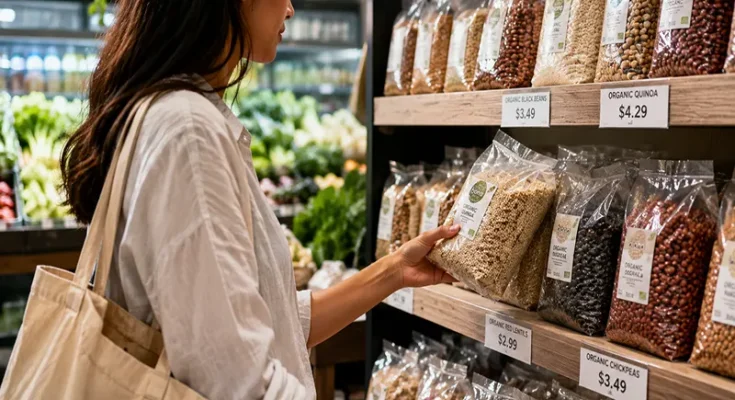
When you shop for protein on a budget, you have to ignore the packaging and look at the nutrition label. The goal is to maximize your grams of protein for every dollar spent. Some foods are “protein-dense” but expensive; others are “protein-efficient” and remarkably cheap.

The most affordable proteins …

The Budget Protein Playbook: Cheapest Healthy High-Protein Foods to Buy at the Grocery Store Read More

The Zero-Waste Grocery Strategy: Healthy Hacks to Save Money and Shrink Your Trash

The Zero-Waste Grocery Strategy: Healthy Hacks to Save Money and Shrink Your Trash

The average household throws away hundreds of dollars worth of perfectly edible food every year. This “Cycle of Waste” usually begins with the best of intentions: we buy fresh produce and healthy proteins, but poor planning and improper storage turn our groceries into expensive garbage by the end of the week.

Reducing food waste isn’t just an environmental imperative; it is a powerful financial strategy. By shifting your grocery habits from “reactive shopping” to “systematic inventory management,” you can stretch your budget further while ensuring that the food you buy actually makes it to your plate.

1. The “Pre-Shopping” Logic: The Audit

The biggest mistake shoppers make is going to the store without knowing what is already in their kitchen.

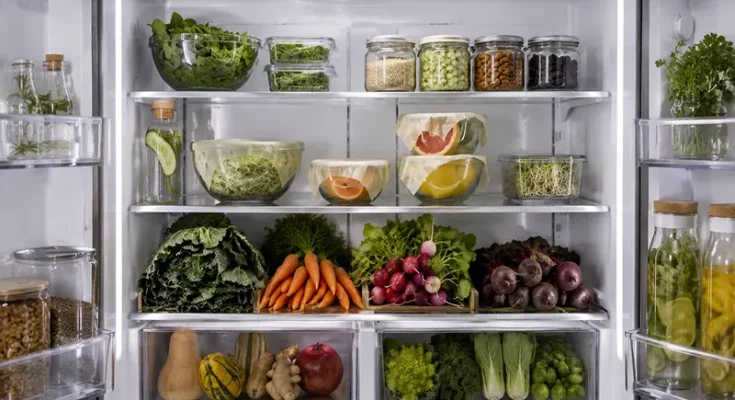
  • The 5-Minute Audit: Before you leave, take two minutes to snap a photo of the inside of your fridge and your pantry. This prevents the “duplicate purchase” syndrome—buying more broccoli
The Zero-Waste Grocery Strategy: Healthy Hacks to Save Money and Shrink Your Trash Read More
Label Literacy: How to Read Nutrition Labels Like a Pro to Spot Hidden Sugars and Artificial Additives

Label Literacy: How to Read Nutrition Labels Like a Pro to Spot Hidden Sugars and Artificial Additives

In the modern grocery store, you are being sold a story before you even pick up a package. Bright colors, claims of “all-natural,” and promises of “heart health” are designed to capture your attention and bypass your critical thinking. However, the true story of what you are putting into your body is not found on the front of the package—it is found in the fine print on the back.

Learning to read nutrition labels like a pro is the single most effective way to reclaim your health autonomy. By moving past the marketing and decoding the Nutrition Facts panel and the ingredient list, you can cut through the “health halo” and make objective decisions about your food.

The Anatomy of a Label

To navigate the grocery aisle successfully, you must understand the two primary components of every label: the Nutrition Facts panel and the ingredient list.

1. The Serving Size

Label Literacy: How to Read Nutrition Labels Like a Pro to Spot Hidden Sugars and Artificial Additives Read More
The Organic Grocery Strategy: How to Eat Well on a Tight Budget

The Organic Grocery Strategy: How to Eat Well on a Tight Budget

For many health-conscious consumers, the transition to an organic diet feels like a choice between their physical well-being and their financial security. The “Organic Price Premium” is a real barrier, but it is also frequently misunderstood. Eating organic on a tight budget isn’t about buying every item in the store with an organic label; it’s about shifting from an “all-or-nothing” mindset to an intentional, strategic purchasing system.

By leveraging data-backed prioritization, seasonal sourcing, and smart pantry management, you can significantly increase the quality of your diet without ballooning your monthly grocery bill.

The “Impact Over Perfection” Framework

The most effective way to manage an organic budget is to stop treating all produce as equal. You don’t need to buy organic everything to make a meaningful impact on your exposure to pesticides.

Prioritize the “Dirty Dozen”

The Environmental Working Group (EWG) annually publishes the “Dirty Dozen”—a list of produce consistently found …

The Organic Grocery Strategy: How to Eat Well on a Tight Budget Read More
The Perimeter Strategy: How to Master Grocery Shopping to Buy Whole Foods and Avoid Processed Items

The Perimeter Strategy: How to Master Grocery Shopping to Buy Whole Foods and Avoid Processed Items

In the modern grocery store, the layout is rarely accidental. Retailers utilize sophisticated psychological engineering to guide you into the center aisles, where high-margin, shelf-stable, and hyper-palatable processed foods reside. For the health-conscious shopper, the most effective strategy to reclaim your diet is to change your navigation entirely: master the “Perimeter Strategy.”

The premise is simple: the healthiest, most nutrient-dense foods in the grocery store are almost always located along the outer edges, while the processed foods are sequestered in the center.

Why the Perimeter Matters

The foods found on the perimeter—fresh produce, lean proteins, and dairy—are generally single-ingredient, perishable, and unprocessed. They are the building blocks of a nutrient-dense diet. By focusing your shopping here, you prioritize high-fiber vegetables, heart-healthy fats, and quality proteins. Conversely, the “Inner Aisle Trap” is dominated by items engineered for long shelf-lives, which often requires high levels of sodium, refined sugars, artificial preservatives, and …

The Perimeter Strategy: How to Master Grocery Shopping to Buy Whole Foods and Avoid Processed Items Read More