

The Intelligent Home: Energy-Saving Smart Devices That Lower Your Monthly Utility Bills

The Intelligent Home: Energy-Saving Smart Devices That Lower Your Monthly Utility Bills

For many, the concept of a “smart home” conjures images of voice-activated lights or automated coffee makers. While these features provide convenience, they miss the most compelling reason to invest in smart technology: resource management.

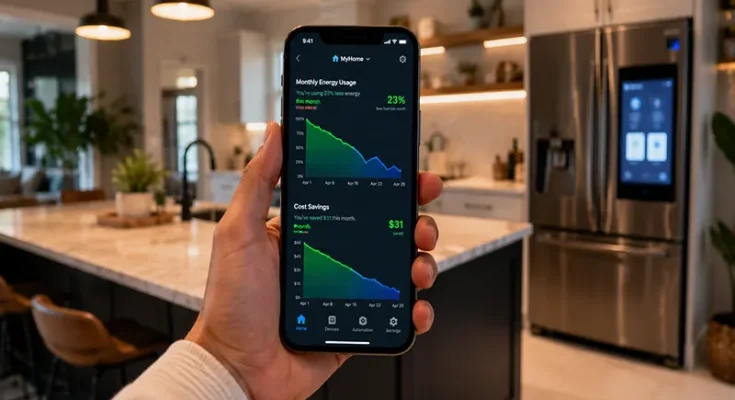
Your home is an ecosystem of energy consumption, and in most cases, it is operating on autopilot—running systems when you aren’t home, keeping rooms illuminated unnecessarily, and bleeding power through standby devices. By transitioning to an intelligent home, you shift from passive consumption to proactive management. The devices listed below are not just gadgets; they are high-yield investments designed to cut your monthly utility bills by turning waste into efficiency.

The “Big Three” Energy-Drainers

To save money, you must identify where your utility bills go. In the typical household, three areas account for the vast majority of energy spending:

  1. HVAC (Heating, Ventilation, and Air Conditioning): Often 50% or more of your total energy bill.
  2. Lighting:
The Intelligent Home: Energy-Saving Smart Devices That Lower Your Monthly Utility Bills Read More
The Budget Protein Playbook: Cheapest Healthy High-Protein Foods to Buy at the Grocery Store

The Budget Protein Playbook: Cheapest Healthy High-Protein Foods to Buy at the Grocery Store

For many, the path to a high-protein diet is paved with expensive myths. We are often told that to hit our protein macros, we need to live off of grass-fed ribeye, wild-caught salmon, and pricey powdered supplements. This mindset makes hitting protein targets feel like a luxury reserved for those with unlimited food budgets.

The truth is much simpler: the most cost-effective protein sources in the grocery store are rarely found in the “premium” meat case. By shifting your focus from “per-serving cost” to “protein-per-dollar efficiency,” you can easily hit your health goals without breaking your bank account.

The Protein-Per-Dollar Hierarchy

When you shop for protein on a budget, you have to ignore the packaging and look at the nutrition label. The goal is to maximize your grams of protein for every dollar spent. Some foods are “protein-dense” but expensive; others are “protein-efficient” and remarkably cheap.

The most affordable proteins …

The Budget Protein Playbook: Cheapest Healthy High-Protein Foods to Buy at the Grocery Store Read More
The Future of Search: How to Optimize E-commerce Product Descriptions for AI-Assisted Commerce

The Future of Search: How to Optimize E-commerce Product Descriptions for AI-Assisted Commerce

The era of typing a keyword into a search bar and scrolling through a list of blue links is fading. We are entering the age of AI-Assisted Commerce, where consumers increasingly rely on large language models (LLMs) and intelligent shopping agents to do the heavy lifting of product discovery.

When a customer asks, “Find me a durable, breathable hiking jacket for a rainy weekend in the Pacific Northwest,” they aren’t expecting a list of search results. They are expecting a curated recommendation. If your product description isn’t optimized for this AI-driven interpretation, you effectively cease to exist in the digital marketplace.

The Semantic Shift: From Keywords to Context

Traditional SEO was built on “keyword stuffing”—sprinkling specific search terms throughout a page to trick an indexer. AI-assisted commerce renders this strategy obsolete. AI agents don’t “read” for keywords; they “parse” for semantic context.

To stay relevant, you must move …

The Future of Search: How to Optimize E-commerce Product Descriptions for AI-Assisted Commerce Read More
The Green ROI: Eco-Friendly Reusable Products That Pay for Themselves (And Shrink Your Waste)

The Green ROI: Eco-Friendly Reusable Products That Pay for Themselves (And Shrink Your Waste)

There is a persistent myth that living sustainably is a luxury—a lifestyle reserved for those with the budget to pay a “green premium.” In reality, the opposite is often true. Much of our modern waste is the result of a “disposable economy” where we pay for the same convenience over and over again, thousands of times a year.

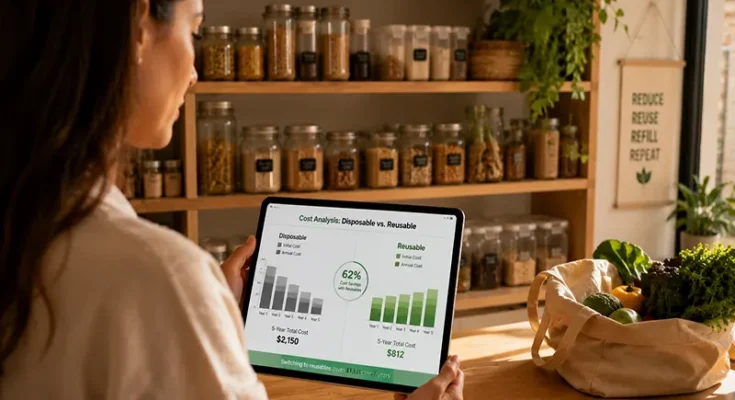
True sustainability is often rooted in personal finance. When you move from a disposable model to a reusable one, you aren’t just reducing your environmental footprint; you are making a high-yield investment. The goal is to reach your “Break-Even Point”—the moment a reusable product has saved enough money to cover its initial cost, after which every use puts money back into your pocket.

The High-ROI Hall of Fame

To maximize your returns, focus on products that replace high-frequency, “single-use” purchases. Here are the swaps that offer the most significant financial return.…

The Green ROI: Eco-Friendly Reusable Products That Pay for Themselves (And Shrink Your Waste) Read More
The Zero-Waste Grocery Strategy: Healthy Hacks to Save Money and Shrink Your Trash

The Zero-Waste Grocery Strategy: Healthy Hacks to Save Money and Shrink Your Trash

The average household throws away hundreds of dollars worth of perfectly edible food every year. This “Cycle of Waste” usually begins with the best of intentions: we buy fresh produce and healthy proteins, but poor planning and improper storage turn our groceries into expensive garbage by the end of the week.

Reducing food waste isn’t just an environmental imperative; it is a powerful financial strategy. By shifting your grocery habits from “reactive shopping” to “systematic inventory management,” you can stretch your budget further while ensuring that the food you buy actually makes it to your plate.

1. The “Pre-Shopping” Logic: The Audit

The biggest mistake shoppers make is going to the store without knowing what is already in their kitchen.

  • The 5-Minute Audit: Before you leave, take two minutes to snap a photo of the inside of your fridge and your pantry. This prevents the “duplicate purchase” syndrome—buying more broccoli
The Zero-Waste Grocery Strategy: Healthy Hacks to Save Money and Shrink Your Trash Read More