

The average household throws away hundreds of dollars worth of perfectly edible food every year. This “Cycle of Waste” usually begins with the best of intentions: we buy fresh produce and healthy proteins, but poor planning and improper storage turn our groceries into expensive garbage by the end of the week.
Reducing food waste isn’t just an environmental imperative; it is a powerful financial strategy. By shifting your grocery habits from “reactive shopping” to “systematic inventory management,” you can stretch your budget further while ensuring that the food you buy actually makes it to your plate.
1. The “Pre-Shopping” Logic: The Audit
The biggest mistake shoppers make is going to the store without knowing what is already in their kitchen.
- The 5-Minute Audit: Before you leave, take two minutes to snap a photo of the inside of your fridge and your pantry. This prevents the “duplicate purchase” syndrome—buying more broccoli when you already have half a head tucked behind the milk.
- The “Core Four” Meal Plan: Instead of trying to plan 21 distinct meals, adopt the “Core Four” strategy. Choose four versatile ingredients (e.g., spinach, eggs, black beans, and quinoa) that can be used across multiple meals. This ensures that even if you don’t stick to a rigid schedule, your ingredients will be used before they spoil.
2. Grocery Store Hacks for Longevity
Your fight against waste starts in the aisles. How you shop determines how long your food lasts.
- The “Ripeness” Spread: If you are buying avocados, bananas, or stone fruit, never buy them all at the same level of ripeness. Select one that is ready to eat today, one for two days from now, and one that is still firm. This “staggered harvest” ensures you have fresh fruit throughout the week without the pressure of it all ripening at once.
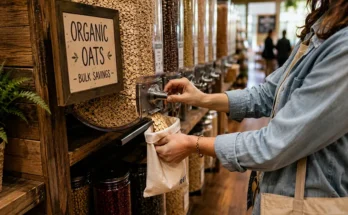
- Strategic Bulk Buying: Bulk buying is only a saving if you use it. For perishables, ignore the “volume discount.” It is cheaper to pay full price for two fresh bell peppers you actually eat than to get a “deal” on a bulk bag of six that end up rotting in the crisper drawer. Reserve bulk buying strictly for shelf-stable staples like rice, oats, lentils, and canned goods.
3. Storage Secrets: Extending the Life of Your Food
Once you are home, the way you store your items can extend their life by days or even weeks.
- The Ethylene Rule: Some fruits—like apples, bananas, and tomatoes—release ethylene gas, which speeds up the ripening (and rotting) process of nearby vegetables. Always store these “gas-emitters” separately from leafy greens or broccoli to prevent premature decay.
- The Paper Towel Trick: Leafy greens (spinach, kale, lettuce) rot because of excess moisture. Store them in a container lined with a dry paper towel; the towel will absorb the moisture that causes slime, keeping your greens crisp for days longer.
- The “FIFO” Method: Follow the “First-In, First-Out” rule. When you bring new groceries home, move older items to the front of the fridge or pantry shelves. You will be reminded to use them first, effectively creating a “use-it-up” hierarchy.
4. The “Scrap Cooking” Mindset
In a zero-waste kitchen, “scraps” are simply ingredients you haven’t processed yet.
- Veggie Stock: Keep a large freezer bag labeled “Stock Scraps.” Throughout the week, add your onion ends, carrot peels, and celery tops to the bag. When it’s full, simmer it in water to create a high-quality, free vegetable stock.
- Herb Pesto: Wilting herbs that look sad in the fridge are perfect for blending into a pesto with garlic, nuts, and olive oil.
- Bone Broth: If you buy whole chickens or bone-in meats, save the bones. They are the base for nutrient-dense, expensive-to-buy bone broth that costs you nothing to make at home.
The 4-Step Zero-Waste Workflow
Use this checklist to transform your grocery experience:
- Inventory Audit: Take a photo of your fridge and pantry. Clear out what must be eaten today.
- Versatile Selection: Plan your list around “Core Four” ingredients that can jump between breakfast, lunch, and dinner.
- Ripeness Check: Choose produce at varying stages of maturity so you aren’t overwhelmed by ripe fruit on a Tuesday.
- Preservation: When you get home, wash, prep, and store items immediately using proper containers and the “paper towel trick.”
| Category | The “Waste-Less” Hack |
| Greens | Line storage containers with a paper towel. |
| Fruit | Buy mixed ripeness levels; store ethylene-emitters away from veg. |
| Pantry | Use the “FIFO” method; label items with purchase dates. |
| Scraps | Keep a “stock bag” in the freezer for vegetable ends. |
Zero-waste living isn’t about being perfect; it’s about being intentional. By treating your kitchen like a professional pantry—monitoring your inventory, storing items correctly, and finding creative uses for every part of your ingredients—you stop throwing your hard-earned money into the trash. These small, consistent changes accumulate over time, leading to significant monthly savings and a lighter footprint on the planet. Start with your fridge today; your future grocery budget will thank you.