

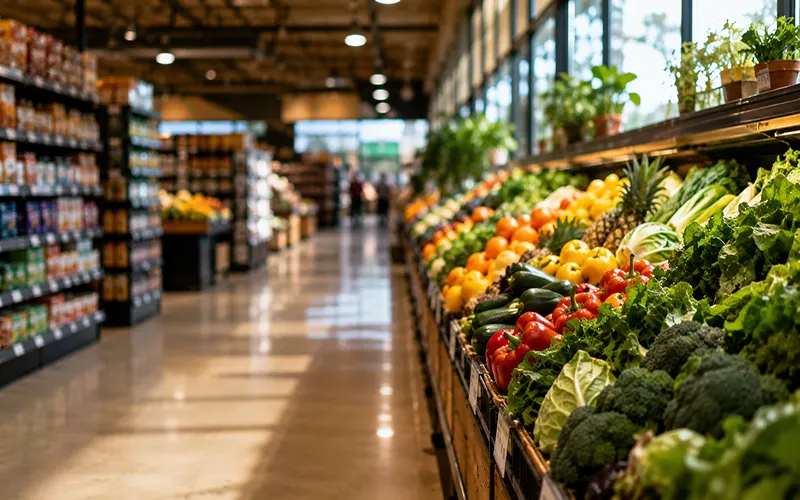
In the modern grocery store, the layout is rarely accidental. Retailers utilize sophisticated psychological engineering to guide you into the center aisles, where high-margin, shelf-stable, and hyper-palatable processed foods reside. For the health-conscious shopper, the most effective strategy to reclaim your diet is to change your navigation entirely: master the “Perimeter Strategy.”
The premise is simple: the healthiest, most nutrient-dense foods in the grocery store are almost always located along the outer edges, while the processed foods are sequestered in the center.
Why the Perimeter Matters
The foods found on the perimeter—fresh produce, lean proteins, and dairy—are generally single-ingredient, perishable, and unprocessed. They are the building blocks of a nutrient-dense diet. By focusing your shopping here, you prioritize high-fiber vegetables, heart-healthy fats, and quality proteins. Conversely, the “Inner Aisle Trap” is dominated by items engineered for long shelf-lives, which often requires high levels of sodium, refined sugars, artificial preservatives, and processed fats.
The Perimeter Walkthrough
1. The Produce Section
This is your most important stop. Aim to fill the majority of your cart here. Focus on a wide variety of colors to ensure a diverse intake of phytonutrients and vitamins. Prioritize seasonal items, which are often fresher and more flavorful. If you are overwhelmed, remember the “eat the rainbow” rule: if your cart is colorful, you are likely covering your nutritional bases.
2. The Butcher and Seafood Counter
Move from plants to proteins. Look for “minimal processing.” This means choosing raw chicken breasts over breaded tenders, fresh fish fillets over fish sticks, and lean cuts of beef over processed sausages or deli meats. These items provide high-quality protein without the added nitrates and excessive sodium found in cured or pre-cooked products.
3. Dairy and Eggs
The perimeter holds the staples. Prioritize plain yogurt, cottage cheese, eggs, and organic milk. The key here is avoiding “flavor creep.” Many flavored yogurts or milk alternatives contain as much added sugar as a dessert. Stick to the base versions and add your own fruit, honey, or spices at home.
Strategic Exceptions: The “Inner Aisle” Survival Guide
You cannot avoid the center entirely, but you can navigate it with a “mission-based” approach. Enter the center aisles only for specific, high-quality whole-food staples:
- Legumes: Dried or canned beans, chickpeas, and lentils (check labels for “no added salt”).
- Whole Grains: Rolled oats, quinoa, brown rice, and farro.
- Healthy Fats: Raw nuts, seeds, and high-quality olive or avocado oils.
- Pantry Basics: Canned tomatoes (no salt added), vinegars, and dried spices.
Mastering the “Two-Ingredient Rule”
When you do venture into the center, use the Two-Ingredient Rule: if a product has more than two or three ingredients, or if those ingredients include unrecognizable chemical names, put it back. This simple heuristic helps you avoid hidden additives and ultra-processed ingredients that do not contribute to your health goals.
Actionable Shopping Techniques
- The “One-Cart, One-Pass” System: Plan your trip to walk the entire perimeter of the store first. By the time you reach the center aisles, your cart should be 80% full of whole foods. This makes you less likely to impulse-buy processed items because you have less physical space in your cart.
- The “Top/Bottom Shelf” Trick: Retailers place the most expensive, highly-processed items at eye level to grab your attention. If you are looking for staples like rice, oats, or basic canned goods, look at the bottom shelves. Often, the store-brand or bulk-buy healthy options are hidden down there to save space for the “premium” processed snacks.
- Shop with a List: The perimeter is your safety zone, but even there, focus on what you need. A list prevents the “browsing” behavior that often leads shoppers to wander into the inner aisles and succumb to marketing traps.
Perimeter shopping is more than just a diet hack; it is a fundamental shift in your relationship with the grocery store. It simplifies your decision-making, reduces the time you spend wandering through aisles of tempting, processed goods, and ensures that your cart is consistently filled with the fuel your body actually needs. By sticking to the edges, you take control of your plate before you even reach the checkout line.