

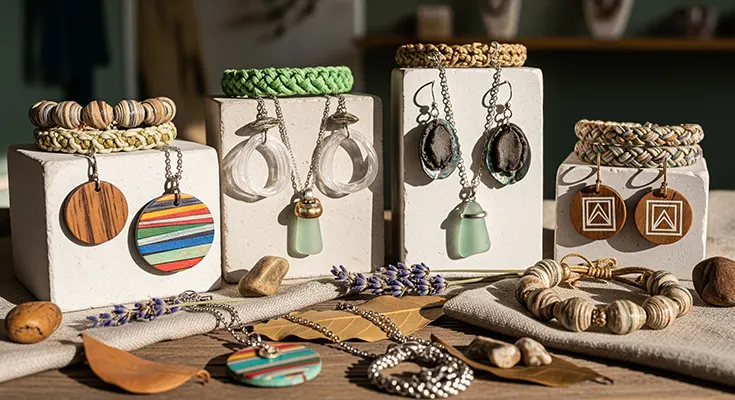
In recent years, sustainable fashion has shifted from being a niche market to a mainstream movement. Consumers are increasingly conscious of the environmental impact of their purchases, driving demand for products that are both stylish and eco-conscious. Among the various categories in sustainable fashion, eco-friendly and recycled material jewelry stands out as a powerful way for brands to demonstrate their commitment to environmental responsibility while appealing to ethically minded customers.
Why Eco-Friendly and Recycled Material Jewelry Matters
Traditional jewelry production often involves mining precious metals and gemstones, which can have significant environmental and social impacts. Mining processes may lead to habitat destruction, water pollution, and exploitative labor practices. By contrast, jewelry made from eco-friendly and recycled materials helps reduce the need for new resource extraction, diminishes waste, and promotes circular economy principles.
For sustainable fashion brands, incorporating recycled and eco-friendly jewelry into their collections is more than just a trend—it’s a statement of values that resonates deeply with today’s consumers seeking authenticity and positive impact.
Popular Eco-Friendly Materials Used in Jewelry
- Recycled Metals
Recycled silver, gold, and platinum minimize the demand for virgin metal mining. These metals are melted down and repurposed from old jewelry, electronics, or industrial byproducts, maintaining quality while reducing environmental footprint. - Upcycled and Repurposed Components
Jewelry designers often creatively reuse materials such as salvaged glass, wood, or fabric scraps to produce unique accessories. Upcycling transforms waste into fashionable statements, giving new life to otherwise discarded items. - Sustainable Alternative Materials
Biodegradable and renewable materials like cork, bamboo, and ethically sourced gemstones or lab-grown diamonds are gaining popularity. These materials offer beautiful, earth-friendly options without the ecological costs associated with mining. - Fair Trade and Ethically Sourced Elements
Beyond material origin, sustainable brands prioritize fair labor practices by sourcing materials from certified fair trade suppliers committed to ethical production.
Benefits for Sustainable Fashion Brands
- Environmental Responsibility: Reduces carbon footprint and waste while conserving natural resources.
- Customer Loyalty: Builds trust and connection with eco-conscious consumers passionate about sustainability.
- Brand Differentiation: Sets the brand apart in a crowded marketplace through authentic environmental stewardship.
- Compliance and Future-proofing: Anticipates increasing regulatory requirements around sustainability and corporate social responsibility.
How Brands Can Incorporate Eco-Friendly Jewelry into Their Collections
- Partner with Ethical Suppliers
Collaborate with suppliers who provide certified recycled metals, lab-grown gems, and sustainably sourced materials. - Promote Transparency
Share the story behind materials and production processes to educate customers and highlight the brand’s sustainability efforts. - Offer Customization
Allow customers to create pieces incorporating recycled elements for personalized, meaningful jewelry. - Engage in Circular Initiatives
Encourage take-back programs, repair services, or recycling incentives for worn or unwanted jewelry pieces. - Educate Through Marketing
Use content marketing to raise awareness about the environmental benefits of recycled jewelry and sustainable fashion choices.
Eco-friendly and recycled material jewelry represents an inspiring intersection between style and sustainability, offering sustainable fashion brands an opportunity to lead by example. By embracing recycled metals, upcycled components, and sustainable alternatives, brands can reduce environmental harm while catering to a growing audience that values conscious consumption. As consumers continue to seek meaningful, ethical products, integrating eco-friendly jewelry is not only good for the planet but also essential for the future growth and relevance of sustainable fashion brands.